Independent reporting, investigations and analysis

Reporting the stories worth understanding.

CRAZY NEWS

The Newsroom

Our Reporters

Four reporters with very different backgrounds, interests and ways of looking at the world. What connects them is a belief that good reporting should leave the reader understanding more than they did before.

Crazy News brings together investigation, international reporting, culture, society and long-form analysis in one deliberately small newsroom.

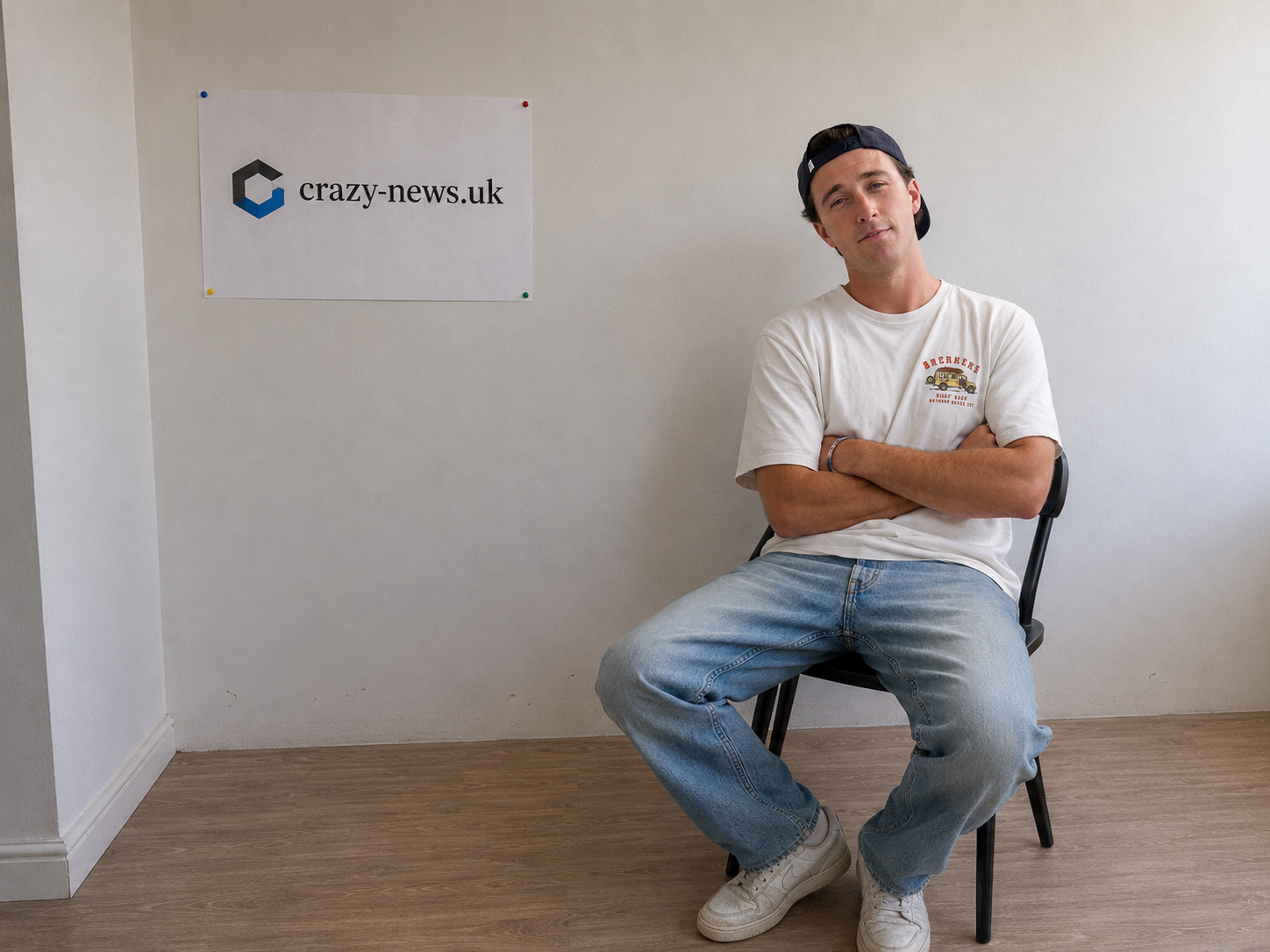
Portrait of Arthur Gacy Jr.

Investigative Reporter

Arthur Gacy Jr.

Age 28 Bideford, England

Investigative reporter covering accountability, privacy, technology and stories where the evidence matters more than the convenient explanation.

Arthur Gacy Jr. is an investigative reporter from Bideford whose work centres on accountability, technology, privacy, synthetic media and the difficult process of establishing what can actually be proved when competing versions of a story begin to emerge.

He studied journalism at the University of New England and graduated with exceptional academic results. His route from studying the profession to actually practising it, however, was shaped as much by an unexpected friendship as by anything that happened in a classroom.

Arthur first met Michael Frisch in a pub. Whisky provided the opening conversation. The two discovered a shared appreciation for it, kept talking, and an unlikely friendship developed into one of the most important relationships of Arthur's early career. Frisch became both a close friend and a mentor, eventually helping Arthur secure his first reporting job and introducing him to the practical realities of journalism.

Their friendship has never been confined to work. Over the years the pair have travelled extensively together across Europe, shared long evenings of whisky, arguments, stories and singing, and developed the kind of relationship in which professional advice and personal loyalty frequently overlap.

Arthur remains based in Bideford, although his reporting takes him away frequently, particularly to London. He is naturally quiet, highly intelligent, dryly funny and distinctly cynical. That cynicism is less a rejection of people than a reluctance to accept simple explanations when the evidence suggests something more complicated.

His reporting style is built around documents, timelines, corroboration and patience. He is particularly interested in the point at which public claims begin to conflict with records, technical evidence or the experiences of the people affected.

Reporting interests

  • Investigations and accountability
  • Privacy and personal data
  • Synthetic media and deepfakes
  • Technology platforms
  • Documents and public records
  • Digital verification
  • Conflicting claims and disputed evidence

Reporting approach

Quiet, skeptical and evidence-first. Arthur prefers to establish a chronology, identify what can be independently verified and separate confirmed facts from allegations, assumptions and unanswered questions.

Beyond the byline

Known in the newsroom for dry humour, sharp observation and a cynical streak that tends to become more obvious the longer a conversation continues.

Areas covered

Investigations, technology, privacy, digital verification, accountability and evidence-led reporting.
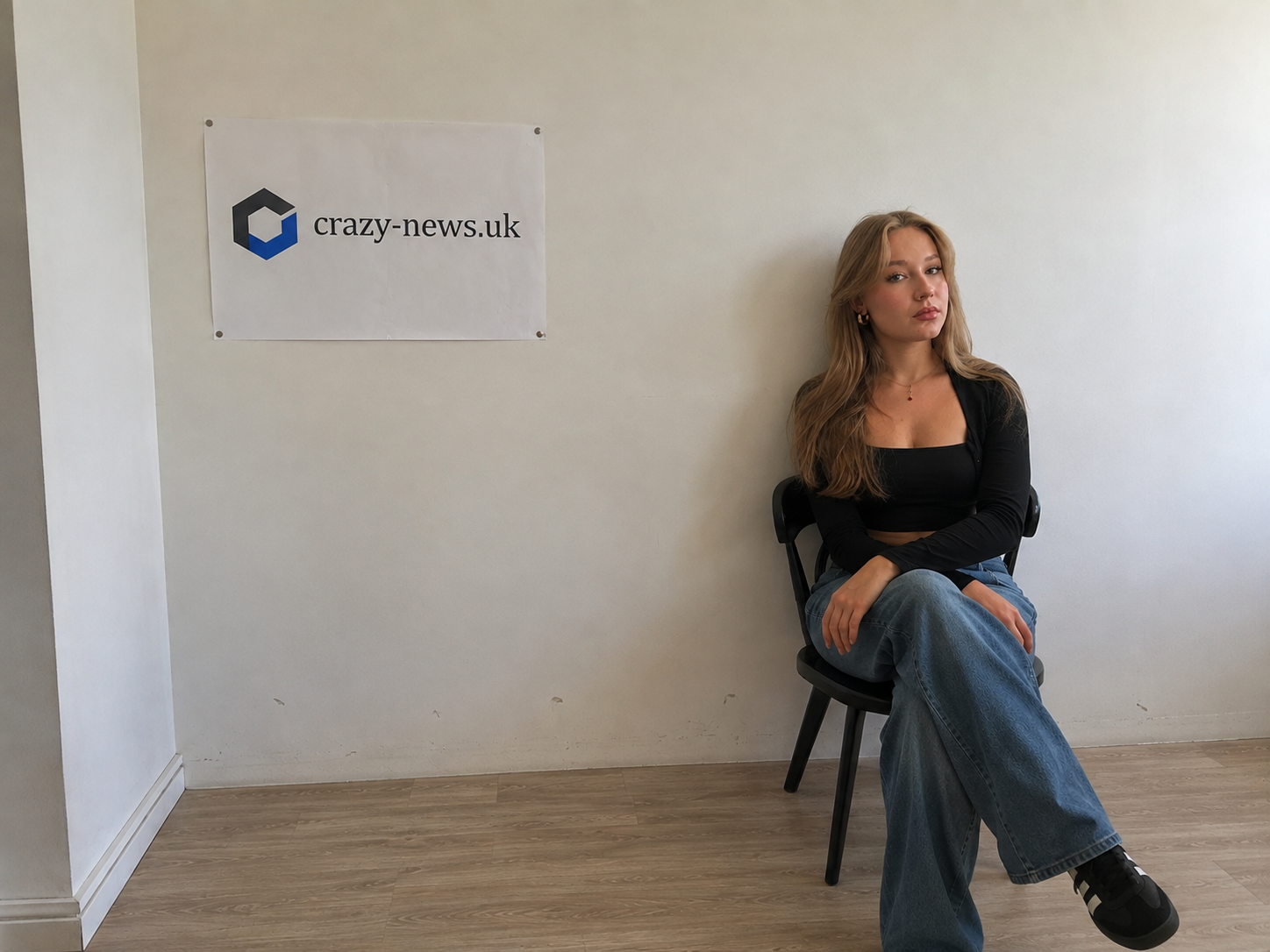
Portrait of Maria Wojciechowska

Culture & Society Reporter

Maria Wojciechowska

Age 19 London, England

Culture and society reporter interested in the way housing, technology, work, music, nightlife and social change actually feel to the people living through them.

Maria Wojciechowska was born in Kazimierz Dolny, Poland, and moved to the United Kingdom at the age of eleven, settling in Bradford. Growing up across two countries gave her an early awareness of how differently ordinary life can look depending on place, language, community and circumstance.

She completed secondary education in Britain but did not follow the university route. Journalism had fascinated her for years, although for a long time it remained an interest rather than a career she seriously expected to enter.

That changed through Arthur Gacy Jr. The two first met in an underground nightclub and immediately got on. By the following morning, somewhere in the aftermath of a long night and an increasingly honest conversation, Maria had accidentally made clear just how much journalism actually mattered to her.

What initially drew the rest of the newsroom to Maria was not a conventional professional résumé. She was simply excellent company: loud, chaotic, funny, curious, warm and almost incapable of being indifferent when something genuinely interested her. Those same qualities eventually became part of what made reporting feel natural.

Her work focuses strongly on people. Housing statistics matter because somebody has to decide whether they can afford to leave home. Changes in technology matter because they alter relationships, habits and expectations. Cultural trends matter because real communities form around them long before institutions decide they are worth analysing.

Maria speaks Polish and English fluently and is currently studying Chinese. Outside reporting she has strong interests in music, fashion and travel, with nightlife remaining one of the subjects and environments she understands particularly naturally.

She now lives in London with her boyfriend. Her reporting style remains energetic and contemporary without trying to manufacture a youth voice or treat younger readers as a demographic exercise.

Reporting interests

  • Housing and cost of living
  • Young adults and independence
  • Music and nightlife
  • Fashion and culture
  • Online communities
  • Social change
  • Travel and identity
  • Everyday effects of technology

Reporting approach

People-first, energetic and highly observant. Maria uses broader economic or cultural evidence as the framework, but the real story for her is usually what those changes do to somebody's ordinary life.

Beyond the byline

Loud, chaotic and extremely warm. She brings considerable energy into a room and tends to become intensely enthusiastic about subjects, people and places she finds interesting.

Areas covered

Society, culture, housing, cost of living, nightlife, music, online life and generational change.

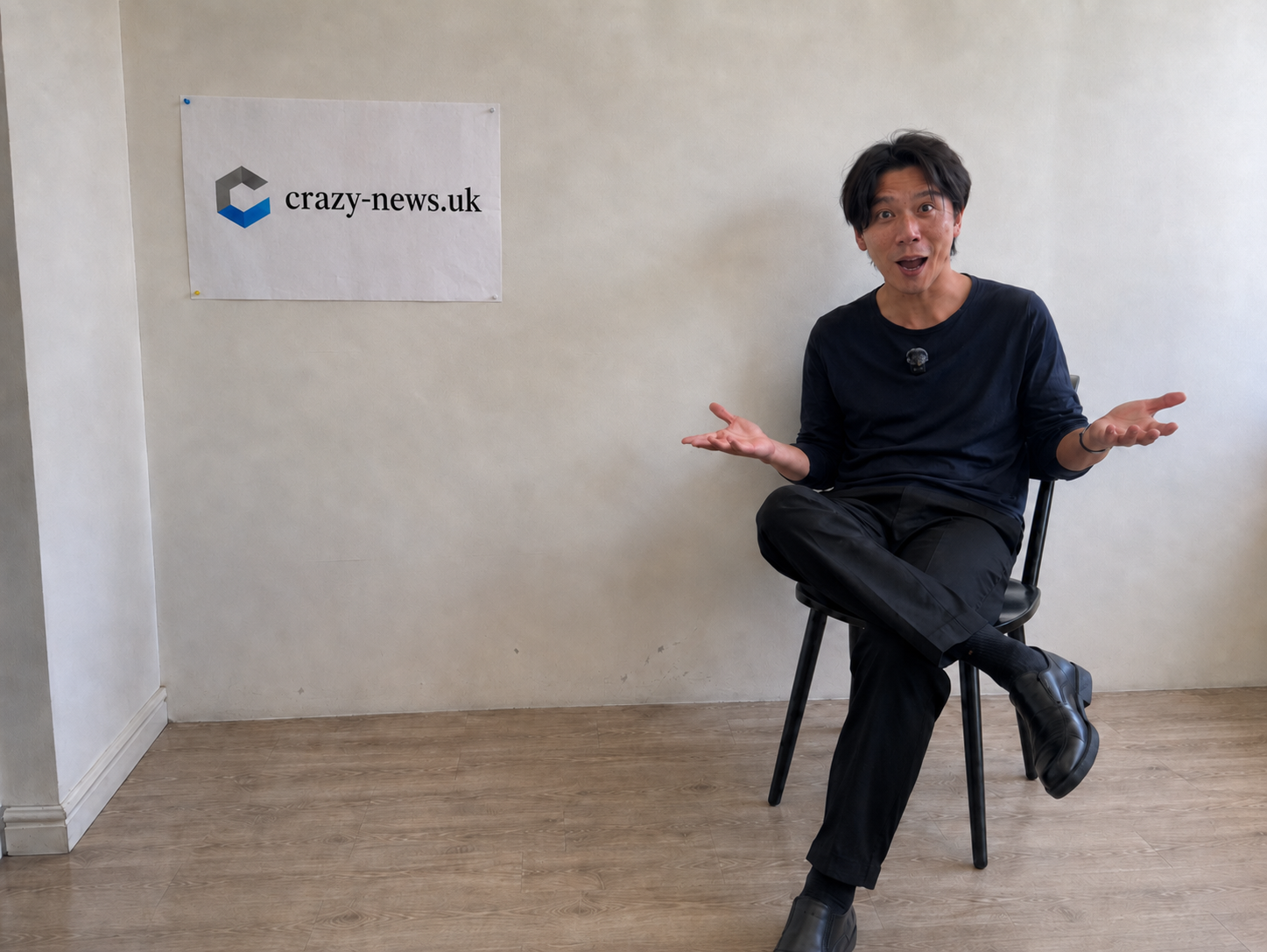
Portrait of Edward Lee

International Correspondent

Edward Lee

Age 33 United Kingdom

International correspondent covering technology, infrastructure, economics and the historical forces that connect apparently separate stories across borders.

Edward Lee is a British-born international correspondent covering the intersections between technology, economics, infrastructure, history and public policy.

Both Edward and his parents were born in Britain, while his family's roots in the country extend back through one of the older generations of Chinese immigration to the United Kingdom, reaching into the nineteenth century. That history has given him a lasting interest in migration, identity, cultural continuity and the ways communities change while remaining connected to what came before them.

He does not speak Chinese particularly well, something he readily acknowledges, but has been working to learn more of the language and reconnect with that part of his family history.

Edward has always loved writing. He is also fascinated by mysteries, unresolved questions and stories in which the first explanation does not quite account for everything that happened. That instinct often shapes his journalism. He is drawn to missing context, contradictory accounts, unusual historical connections and systems that appear straightforward until somebody starts asking how they actually work.

His international reporting frequently moves between large technical systems and the political or human consequences behind them. Data centres become questions about electricity and infrastructure. Housing becomes a comparison between planning systems, economics and demographics. Technology policy becomes a story about who makes decisions and who eventually lives with them.

Edward was previously in a long-term relationship with Maria Wojciechowska. Although they are no longer together, the two remain friends, maintain a professional relationship and genuinely enjoy working together. Their shared history has not prevented them from collaborating comfortably within the newsroom.

His writing style is structured and explanatory. Edward is at his best when taking a subject that initially appears complicated and reducing it to the sequence of decisions, incentives and consequences that actually make it understandable.

Reporting interests

  • International affairs
  • Technology infrastructure
  • Energy and computing
  • Economic policy
  • History and migration
  • European comparisons
  • Unresolved questions and mysteries
  • Long-form writing

Reporting approach

Structured, curious and explanatory. Edward wants readers to understand what happened, what caused it, why it matters and which parts of the story remain unresolved.

Beyond the byline

A passionate writer with a strong interest in history and mysteries. He is particularly drawn to subjects where apparently unrelated details begin to form a larger pattern.

Areas covered

World affairs, technology, economics, infrastructure, history, migration and European policy.

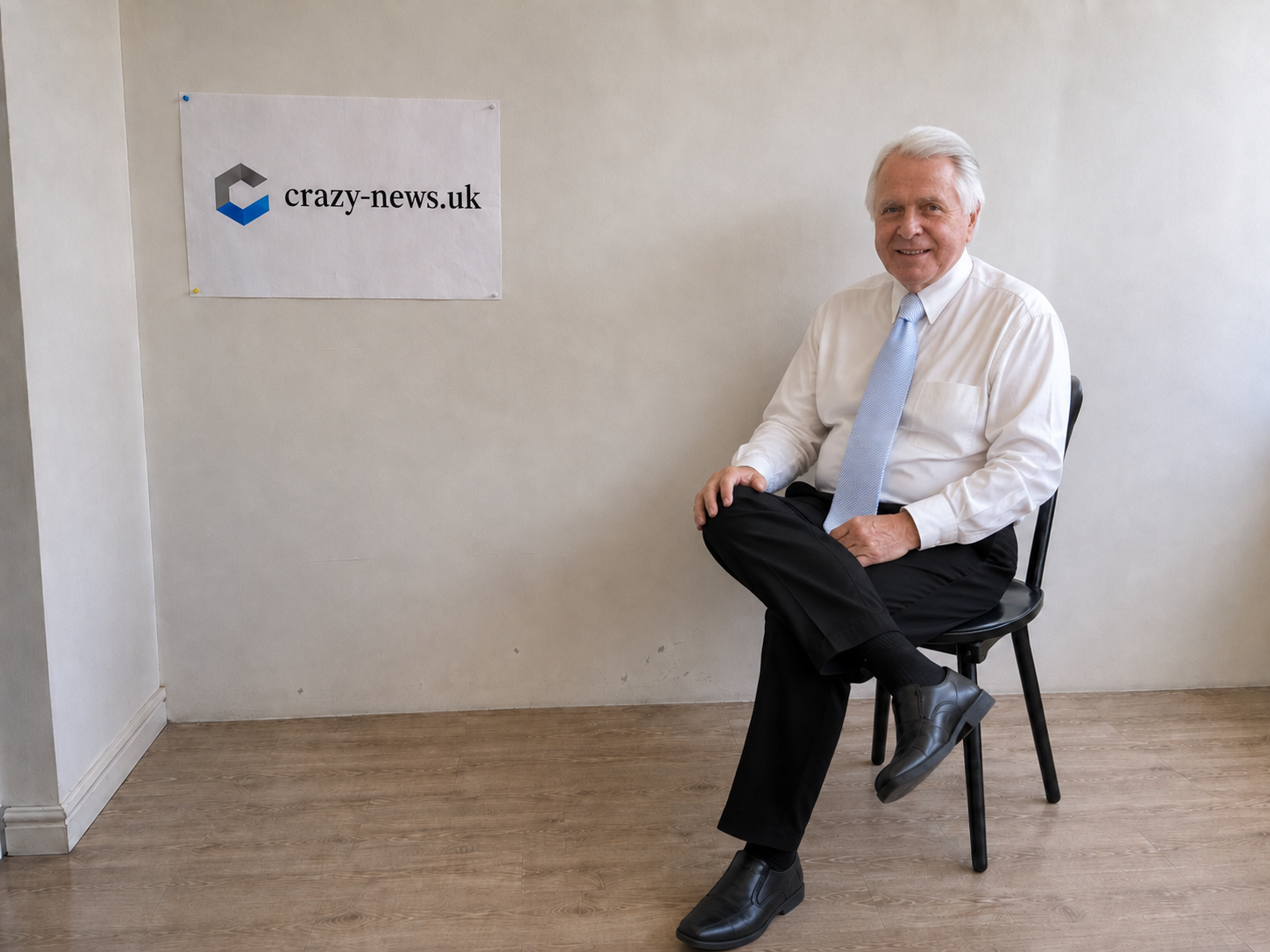
Portrait of Michael Frisch

Founder, Senior Reporter & Analyst

Michael Frisch

Age 71 New Zealand / London

Founder, senior reporter and analyst whose career has moved through business, activism, journalism and decades of refusing to become quieter with age.

Michael Frisch is the founder of Crazy News, a senior reporter and analyst whose life before journalism was considerably less conventional than most newsroom biographies.

Born in Britain, Michael is openly gay and proudly Jewish. Both identities have remained important parts of his public life, as has a strong belief that neither sexuality nor personal conviction should be hidden merely to make other people more comfortable.

During the 1990s, Michael worked in the diamond business in Uganda. The period made him extraordinarily successful financially and left him with substantial personal wealth. After returning from Africa, he spent a number of years travelling, socialising and enjoying the freedom that success had given him before journalism gradually became a more serious part of his life.

The idea that eventually became Crazy News began to take shape around 2003. Initially it was Michael's project and, at first, more of an idea than the structured publication it would later become. His interest in journalism grew from the same characteristics that had followed him through business and activism: curiosity, independence, argument and an almost complete lack of fear around controversial subjects.

Michael has also been active in gay-rights advocacy, particularly around the principle that people should not be pressured into hiding their sexuality. His political activism has extended to Palestinian rights, including financial support for advocacy movements that have publicly challenged Israeli state policy and the treatment of Palestinians.

He is an outspoken critic of the Israeli government despite, and in part because of, the importance of his Jewish identity to him. Since the war in Gaza, Michael has publicly described actions against Palestinians as war crimes and has used exceptionally severe language in his criticism of the Israel Defense Forces. He has said that conduct he considers inhumane brings shame rather than honour to Jewish identity. These views are Michael's own and form part of his long-standing public activism.

His politics begin from a broader principle that appears repeatedly in both his activism and his reporting: human life has value regardless of nationality, sexuality, religion or background. He is comfortable disagreeing loudly when he believes that principle is being abandoned.

Michael is also the person who helped bring Arthur Gacy Jr. into professional journalism. Their friendship began over whisky in a pub and developed into a close personal bond, a mentoring relationship and years of travelling together across Europe. Michael helped Arthur secure his first reporting job and remains one of the strongest influences on his approach to the profession.

Today Michael divides much of his time between New Zealand and his London residence, while also spending substantial periods in New York. He remains wealthy, active, outspoken and deeply involved in the publication he first imagined more than two decades ago.

Inside the newsroom he is loud, charming and difficult to intimidate. He loves singing, whisky, argument and people. Controversy rarely frightens him, and attempting to persuade him to soften a view merely because it may be unpopular is unlikely to produce the desired result.

Reporting interests

  • Long-term economic change
  • Institutions and public policy
  • Labour and technological change
  • History and political movements
  • Human rights
  • Gay-rights advocacy
  • Palestinian rights
  • Automation and productivity
  • Investigative and analytical journalism

Reporting approach

Historically informed, outspoken and skeptical of fashionable certainty. Michael relies heavily on context and experience, but remains willing to challenge institutions, governments and accepted narratives when he believes the evidence justifies it.

Beyond the byline

Loud, charming and unapologetically social. He loves whisky, singing, travelling, argument and people, and has little interest in avoiding controversy simply because a subject is uncomfortable.

Areas covered

Analysis, politics, institutions, economic change, technology, human rights and historical context.

Crazy News

How the newsroom came together

A newsroom built through friendships as much as résumés.

Crazy News began as Michael Frisch's project around 2003, after years spent in business, travelling and activism. Journalism gradually became the place where his interest in argument, evidence, politics and people could be brought together.

Arthur Gacy Jr. entered that world through his friendship with Michael, first as a journalism graduate looking for a way into professional reporting and later as an investigative reporter in his own right. Maria Wojciechowska arrived by a very different route, through friendship, nightlife and an enthusiasm for journalism that had existed long before she expected to make anything of it professionally.

Edward Lee brings another perspective: international, historical and strongly explanatory. Together the four reporters cover very different subjects, but the publication works best when those differences overlap rather than disappear.

Crazy News does not expect every reporter to sound the same. Investigation can be skeptical. Culture reporting can be energetic. Analysis can be patient. International journalism can be explanatory. The common standard is simpler: establish what can be established, make uncertainty clear and give readers enough context to understand why the story matters.